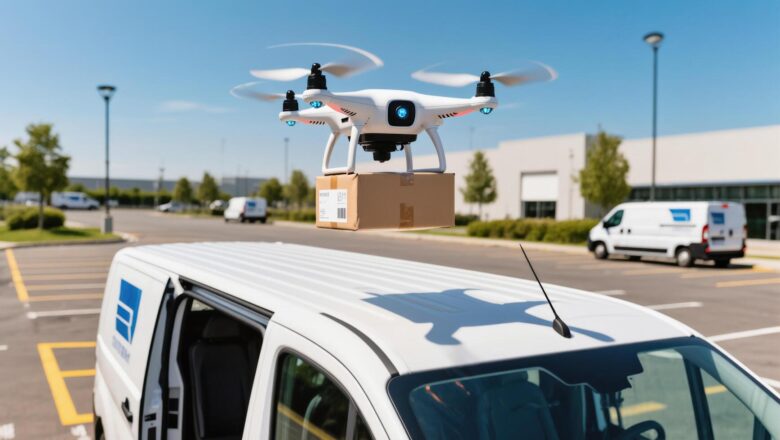
As technology continues to advance at an impressive pace, the field of surveillance has seen significant innovations, particularly with the introduction of advanced surveillance drones. These drones have transformed how security and intelligence gatherers operate and serve a multitude of purposes across various sectors. From their versatility in applications to the cutting-edge features that enhance their performance, there’s much to explore about these aerial systems. For those seeking in-depth information, the Acecoretechnologies website offers a wealth of resources on this intriguing subject.
Key Features of Advanced Surveillance Drones
Advanced surveillance drones come equipped with an array of features that make them indispensable for modern surveillance operations. Understanding these features is essential for anyone considering their use in security, law enforcement, or even wildlife monitoring. Below are some of the noteworthy characteristics:
- High-Resolution Cameras: These drones are typically equipped with high-quality cameras that can capture images and videos in high definition. Many of them come with thermal imaging capabilities, allowing operators to see in total darkness or through obstructions.
- Long Flight Times: Advanced models are designed for extended flight durations, enabling them to cover large areas without needing to return for refueling or recharging frequently.
- Real-Time Data Transmission: One of the most important features is the ability to transmit data and video feeds in real-time to ground controllers. This allows for immediate decision-making and enhanced situational awareness.
- Autonomous Flight Capabilities: Many surveillance drones can be programmed for autonomous operation, using GPS and pre-set flight paths to navigate complex terrains without constant human input.
- Rugged Design: Designed to withstand various weather conditions, these drones can operate in wind, rain, and other challenging environments, making them reliable tools for outdoor operations.
Applications of Surveillance Drones
Surveillance drones are not limited to a specific industry; their versatility allows them to be utilized in multiple fields. Some of the key applications include:
- Security and Law Enforcement: Drones are increasingly being used by law enforcement agencies for patrolling urban areas and monitoring public events, enhancing overall security.
- Search and Rescue Operations: Drones equipped with thermal imaging can assist in locating missing persons in tough terrains, saving valuable time and resources.
- Wildlife Monitoring: Environmental agencies utilize drones for monitoring wildlife, tracking animal movements, and assessing natural habitats without disturbing the ecosystem.
- Disaster Management: During natural disasters, drones help assess damage, locate survivors, and coordinate rescue operations effectively.
- Infrastructure Inspection: Drones are used to inspect bridges, power lines, and other infrastructure elements, allowing for quick assessments and reducing risks to human inspectors.
Ethical Considerations and Privacy Issues
While the advantages of surveillance drones are numerous, they come with ethical considerations that must be taken into account. The potential for invasion of privacy is a significant concern, as these devices can gather information without individuals’ consent. Striking a balance between security and privacy is often a contentious issue. Governments and organizations must establish regulations and guidelines to ensure that drones are used responsibly and ethically.
A Bright Future Ahead for Surveillance Drones
The future of surveillance drones looks promising, with continuous advancements in technology paving the way for even more sophisticated features. As companies invest in research and development, we can expect improvements in battery life, camera quality, and data processing capabilities. The integration of artificial intelligence into surveillance drones stands to revolutionize how they are deployed and operated, optimizing their efficiencies further. As society becomes more reliant on these advanced tools, ongoing discussions about public policy, privacy, and ethics will be crucial. The landscape of security and surveillance is evolving, and embracing these advancements responsibly will be essential for future generations.