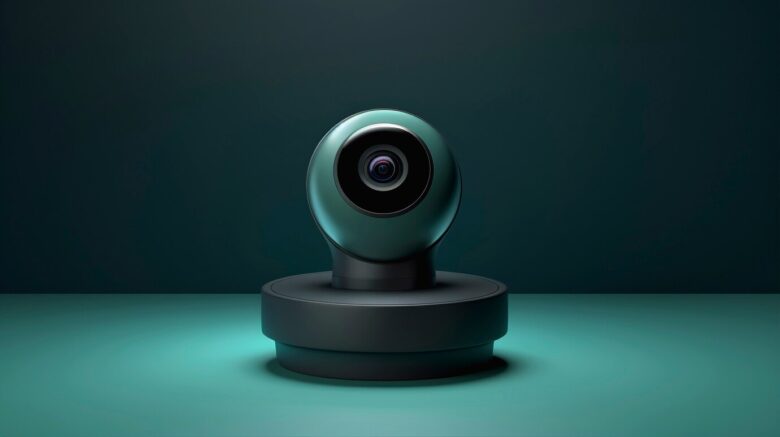
In today’s fast-paced digital age, the push towards automation has dramatically reshaped various industries. At the heart of this revolution is the computer vision camera, a tool that literally sees and interprets the world around it, powering everything from quality control systems in manufacturing to autonomous vehicles. As we delve deeper into this transformative technology, it’s crucial to understand the key components and applications driving its growth.
Understanding Computer Vision Cameras
To comprehend how a computer vision camera enhances automation, one must first understand its fundamental workings. These cameras are designed to mimic the human ability to see and process visual cues. By leveraging advanced algorithms and neural networks, they can analyze and interpret images in real-time. This capability enables machines to perform tasks that previously required human oversight, bringing enhanced efficiency and accuracy to various processes.
Applications in Manufacturing
Computer vision cameras are revolutionizing the manufacturing sector by enabling smarter, more efficient production processes. They play a vital role in:
- Quality Control: By identifying defects and anomalies faster than the human eye, these cameras help maintain high standards of product quality.
- Assembly Line Automation: They precisely guide robotic arms, ensuring components are accurately positioned and assembled.
- Predictive Maintenance: By monitoring equipment performance, they can predict failures before they occur, minimizing downtime.
Advancements in Autonomous Vehicles
Autonomous vehicles have become one of the most visible applications of computer vision cameras. These vehicles rely heavily on the cameras to “see” the road and understand their surroundings, ensuring safe and efficient travel.
- Obstacle Detection: Cameras detect pedestrians, vehicles, and other obstacles, allowing the vehicle to navigate safely.
- Mapping and Navigation: By creating real-time maps of the environment, they help vehicles determine the best routes.
- Lane Detection: They ensure the vehicle stays within lanes and follows road rules.
Benefits of Integrating Computer Vision into Automation
Incorporating computer vision cameras into automated systems offers numerous advantages, including:
- Enhanced Efficiency: Automated systems operate more swiftly and accurately, reducing human error and increasing production speed.
- Cost Reduction: By minimizing the need for manual labor and reducing mistakes, businesses can lower operational costs.
- Improved Safety: By taking over repetitive and hazardous tasks, these systems enhance workplace safety.
- Scalability: As business needs grow, expanding automated systems with computer vision is cost-effective and straightforward.
The Future of Machine Vision Systems
As technology continues to evolve, the future of machine vision systems appears incredibly promising. With continuous advancements in artificial intelligence and machine learning, these systems will become even more adept at mimicking human vision and reasoning. Industries like healthcare, agriculture, and security are just beginning to scratch the surface of potential applications.
Peering Through the Lens of Tomorrow
Computer vision cameras are literally at the forefront of an automation revolution, reshaping industries and redefining how tasks and processes are performed. As these machines gain more capabilities, the possibilities for enhanced automation continue to grow, signaling a future where machines see, adapt, and operate with unparalleled precision and intelligence. Embracing this technology could be the key to unlocking untold efficiencies and innovations across the globe.